


Industry: Travel
Revenue: £2.0 billion
EBITDA: £346 million
Passengers: 19.5 million per year
Financial benefits of CI efforts: £4.6 million
At Eurostar’s Temple Mills depot in East London, Continuous Improvement principles have been quietly reshaping operations. Temple Mills is Eurostar’s maintenance depot in London, responsible for keeping the fleet in service. Because the depot sits at the heart of day-to-day reliability, even small inefficiencies can affect train availability and customer experience.
What began as a modest effort to tackle these inefficiencies has grown into a Continuous Improvement (CI) program, which has been delivering major results and supporting Eurostar’s broader performance targets.
Michael Murray, the Continuous Improvement Manager, has spearheaded this development in collaboration with colleagues Andrew Park and Simon Bilsland. By combining Lean Six Sigma methods with their practical knowledge of the depot, they have shown how a local CI program can support both operational stability and financial performance.
The beginning of the CI journey
Michael first joined Eurostar as a performance engineer, focusing on train performance and maintenance quality. As demand for maintenance increased, the workload at Temple Mills rose accordingly. The depot was still managing to deliver, but it did so with growing pressure on time, planning, and resources.
This situation highlighted a simple problem: continuing with “business as usual” would over time increase stress on people and systems. A more structured way of improving processes was needed so the depot could keep delivering quality without relying on constant extra effort.
Michael was asked to look into how Lean principles could be useful. With his engineering background, he recognized that Lean Six Sigma offered more than just tools. It provided a framework that could standardize how improvements are identified, tested, and sustained. This mattered because the depot did not just need quick fixes; it needed a consistent way of reducing waste and involving people across functions.
To build that capability, Michael enrolled in a Lean Six Sigma Black Belt course in early 2024. The aim was clear. He wanted the skills to move from isolated improvement ideas to a structured program that would fit the realities of depot operations. The training helped him turn that intention into a tangible CI approach for Temple Mills.
Building the foundation for Continuous Improvement
After completing his Black Belt, Michael’s first priority was leadership commitment. Without clear support from management, improvement work risked becoming a side activity that would always lose out to daily operational pressure.
He developed an implementation plan that linked CI activities to concrete depot objectives, such as better maintenance planning and improved train availability. This connection between CI and business goals made it easier for managers to see why they should invest time and resources.
To build understanding, a management awareness and project selection workshop was organized. During this session, leaders did not just hear about continuous improvement as a concept. They looked at their challenges and used those to choose the first set of projects. This approach created a direct line from depot issues to CI projects, which in turn made the program relevant and credible from the start.
With leadership aligned, the next step was to build skills among staff. Lean Practitioner training sessions were introduced for colleagues across the depot. The purpose was not to turn everyone into CI specialists but to give them a common language and basic toolkit. This made it easier for employees to spot waste, propose improvements, and understand how their ideas would be handled.
Early projects intentionally emphasized focus and concrete outcomes. They showed that straightforward changes in layout, planning, or communication could save time or reduce errors. These results served a double purpose, they delivered value and they demonstrated to the wider depot that CI was practical and worth participating in.
As more people became interested, additional workshops were run, and Lean tools such as 5S, flow improvement, and visual management were introduced step by step. These tools gave teams a structured way to organize work, see bottlenecks, and follow progress. Success stories spread, transforming CI from a standalone initiative into an integral aspect of the depot’s operations. The growth in demand for CI support created a new challenge. One person could no longer support all projects and training requests. The CI department expanded with Andrew Park and Simon Bilsland to keep pace and maintain quality. Both had long experience at Temple Mills, which meant they knew the processes, the constraints, and the informal ways of working. This background allowed them to translate Lean ideas into solutions that made sense in the context of the depot. Their involvement turned CI from a “one-person effort” into a dedicated service for the organization.
Scaling success with a dedicated CI team
The formation of a three-person CI team marked an important shift. Instead of improvement depending on individual initiative, the depot now had a permanent structure to support it.
With more capacity, the team could help different departments to identify opportunities, scope projects realistically, and follow through from problem definition to implementation. This reduced the risk of projects stalling halfway and increased the number of improvements that reached completion.
Regular training sessions and targeted coaching sessions were used to integrate CI into day-to-day work. For example, maintenance supervisors could receive support on how to use visual management boards effectively, rather than just being handed a template. This hands-on support meant that tools were actually adopted, rather than staying on paper.
The CI team also worked closely with operations and planned to embed Lean methods into maintenance routines. This alignment was important because impactful improvements often required changes in scheduling, resource allocation, or communication across shifts. By involving the right people early, the team increased the chances that improvements would stick.
As Michael notes, once the team was fully in place, the pace of improvement increased significantly. More projects could run in parallel, and lessons from one area could be transferred to others. The result was not just more activity but a more consistent way of delivering change.
Noteworthy results and operational benefits
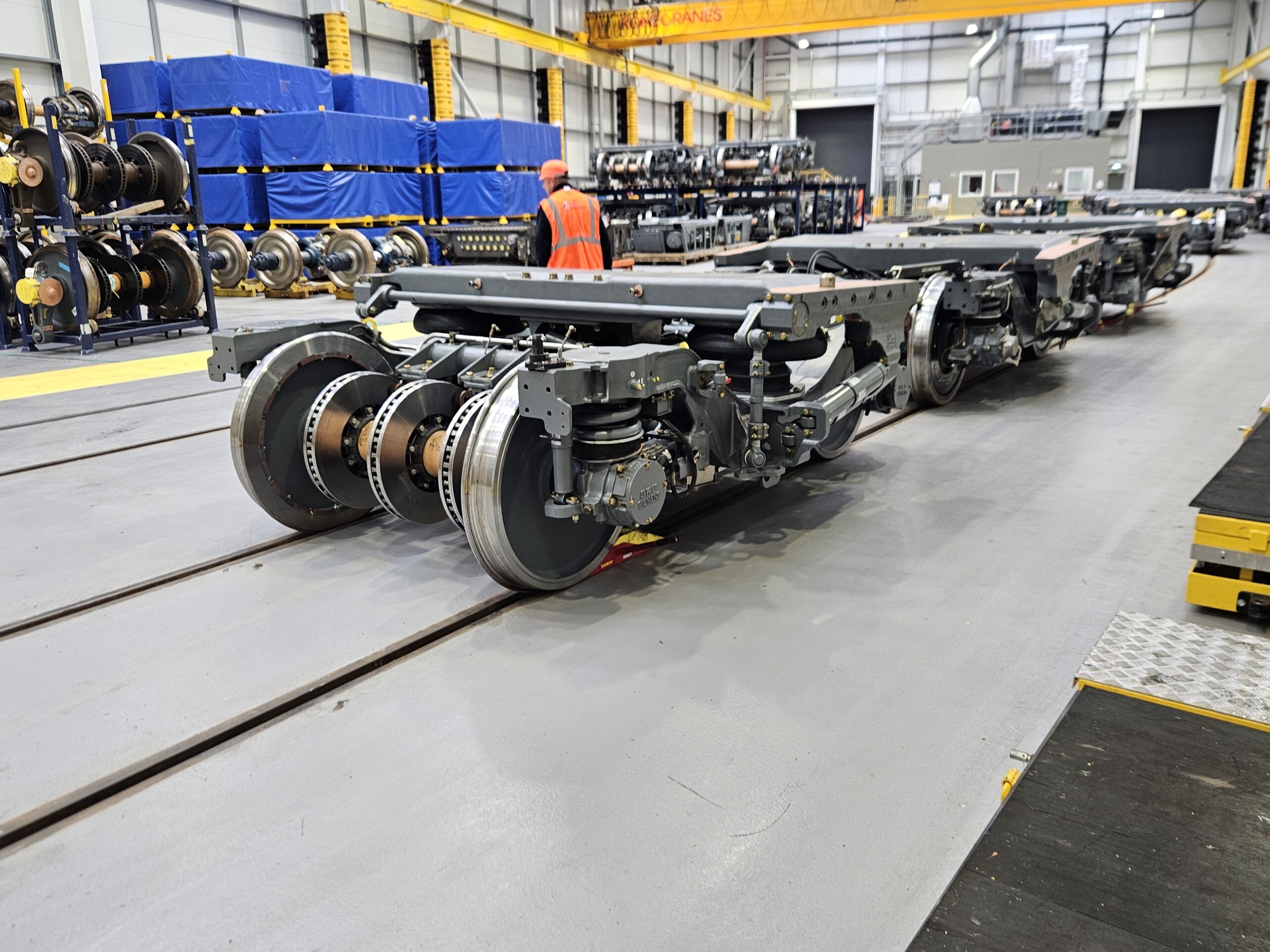
Since its launch, the CI program at Temple Mills has delivered tangible operational and financial benefits. One key focus area has been maintenance planning. Heavy maintenance work is time-consuming and resource-intensive, so any reduction in wasted time directly frees up capacity. Through better planning, clearer task sequencing, and removal of unnecessary steps, the depot was able to reduce the number of hours required for heavy maintenance. This meant that the same workforce could handle more work in the same time or the same work with less overtime and stress. These improvements had a direct impact on train availability. When maintenance is more predictable and efficient, trains spend less time out of service. As a result, more units can be available when needed, without the cost of expanding the fleet. This connection between maintenance efficiency and fleet availability is a key driver behind the more than £4.6 million in financial benefits achieved so far. Alongside these gains, the team has been developing predictive maintenance approaches. By using data to anticipate when components such as bogies are likely to need attention, work can be planned in advance rather than reacting to failures. This reduces unplanned downtime and supports Eurostar’s reliability and safety standards. It also means that resources are used more effectively, since maintenance can be scheduled at the most suitable time instead of during an operational disruption.
The foundation for a Continuous Improvement culture
The results achieved through Continuous Improvement have shown that CI is not a separate “project layer” on top of operations but a way to run the depot more effectively. Because improvements have been linked to real operational outcomes, such as hours saved and trains available, CI is considered relevant rather than theoretical.
Within Temple Mills, more employees are now involved in identifying waste, testing solutions, and following through on actions. This shift matters because the most useful ideas often come from people who work in the process every day.
“Continuous improvement is about building a culture where everyone contributes,” says Michael. “It is not a project with an end date. It is an ongoing effort to make our work more efficient, keep our services reliable, and ensure our depot can adapt to future change.”
This focus on involvement and shared responsibility has been essential for sustaining results. Instead of relying on one-off initiatives, the depot now has routines and habits that encourage regular review and adjustment of how work is done.
Looking Ahead
As Eurostar responds to growing passenger demand and evolving operational challenges, Temple Mills’ CI program offers a practical example of what a structured, site-level approach can achieve. The depot experience shows that Lean Six Sigma works best when it is not seen as a separate project but as a way for leaders to set priorities and teams to plan their daily work. When leadership alignment and local expertise come together, productivity, adaptability, and reliability improve in a way that supports operations and the bottom line. The Temple Mills team continues to build on this foundation, using each new project to refine the CI approach further. Their journey underlines a simple but powerful lesson: when small improvements are made deliberately and consistently, they accumulate into substantial, lasting results.