
Uncategorized

Kanban: Method, Board and Benefits for Better Process Control

Kanban is more than a visual task board. By making work visible, limiting Work in Progress, and exposing bottlenecks, it helps teams improve flow and focus on finishing work instead of simply starting more.

Read More

Kaizen: Putting Continuous Improvement into Practice

Kaizen turns continuous improvement into a daily habit rather than a one-off initiative. By involving employees, making problems visible, and improving standards step by step, organisations can build a culture where improvement becomes part of the way work gets done.

Read More

Lean Production in Practice: How Companies Reduce Waste in Production

Many companies talk about Lean Manufacturing when they want to make their production faster, more stable, and more cost-effective. In practice, however, Lean rarely starts with a large-scale programme. It starts where employees encounter waiting times every day, search for materials, correct errors, or move orders back and forth between departments. Lean Production is therefore […]

Read More

Lean Six Sigma and AI: Technology Accelerates, Structure Creates Value

AI is rapidly becoming an integral part of modern organisations. Across virtually every industry, businesses are experimenting with data analysis, automation, and generative AI. As Managing Director, the question that interests me most is not whether AI can create value, but under what conditions that value becomes sustainable. After nearly ten years of experience as […]

Read More

Lean Six Sigma Training with AI: Faster Improvement with Measurable Results

AI is changing the way organisations analyse data and improve processes. But without structure, a clear problem definition, and reliable data, AI delivers little sustainable impact. That’s why we deliberately combine AI with Lean Six Sigma. Our Lean Six Sigma training with AI is entirely practice-based. From day one, you work on your own improvement […]

Read More

How One Trainer Achieved a Student Project Success Rate of 78% and an ROI of 700%

After some two decades of training people in Lean Six Sigma, we have concluded that one issue hinders nearly everyone we train. Regardless of who is in front of the class, or who populates the classroom, getting students to apply a set of newly-acquired skills during their first project is a universal challenge. It is […]

Read More

Changemanagement

What Is Change Management and Why Does It Matter? At its core, change management is about guiding people through change. It is not about creating plans on paper, but about what actually happens on the shop floor, in the classroom, in a department, or at the service desk. Whether you work in manufacturing, healthcare, education, […]

Read More

CIDO and TIF in the age of AI

A Clear Choice for Structural Improvement Capability Artificial Intelligence is evolving rapidly. Organizations are investing in tools, dashboards, and algorithms that accelerate analysis and reveal patterns. Yet in practice, there is a clear difference between organizations that truly realize value and those that are mainly experimenting. That difference rarely lies in the technology itself. It […]

Read More

Streamlining Machine Settings for Efficiency in Packaging

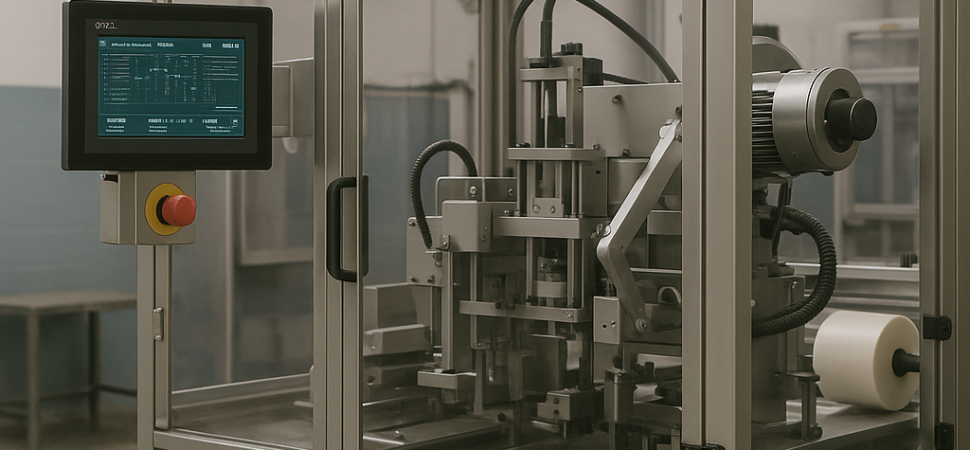
In the fast-paced world of consumer goods manufacturing, small inefficiencies can lead to significant costs. That’s why a 12-month Green Belt project in the packaging department set out to address a persistent challenge: the need for excessive manual adjustments on a servo-driven machine after each batch change. Using Lean Six Sigma’s DMAIC framework, the cross-functional team, comprising operators and a formulation manager, dove into the root causes of the issue. The machine's tendency to reset to default settings was costing valuable time, frustrating staff, and eroding productivity. With a goal to reduce these adjustments by 75%, the team employed tools like Fishbone Diagrams, FMEA, and Measurement System Analysis to uncover and address the problem at its source. The results? A staggering drop in manual interventions per batch, from six down to under one. This improvement translated into an estimated $15,000 in annual savings and freed up operator time for other critical tasks. Just as importantly, the project fostered a sense of ownership and engagement among staff, proving that inclusive teamwork and data-driven problem solving go hand in hand. This case exemplifies the power of Lean Six Sigma to unlock hidden efficiencies and foster a culture of continuous improvement, even in the most routine operational settings.

Read More

Uptime Improved Carton Machine

In just six months, a Lean Six Sigma Black Belt project transformed operations at a consumer goods packaging facility, delivering over $33,000 in monthly savings. By targeting excessive downtime across all carton machines, the team improved machine efficiency from 99% to 110% and cut downtime from 12% to just 4.5%. Key to success? A skilled cross-departmental team, data-driven root cause analysis using tools like the Pareto Diagram, and a hands-on coaching strategy to shift operator habits. This case study shows how Lean Six Sigma’s DMAIC method doesn’t just optimize processes, it creates lasting cultural and financial impact. Whether you're new to Lean Six Sigma or considering your next project, this is a standout example of how focused teamwork and continuous improvement can lead to measurable operational excellence.

Read More